
How to Choose Safe, Non-Toxic Bath Toys for Kids (Including Rubber Ducks)
Learn how to evaluate materials, labels, paint, and mold risk in bath toys—so you can buy safer kids’ gifts and party favors with confidence.
Start with materials: what “non-toxic” really means
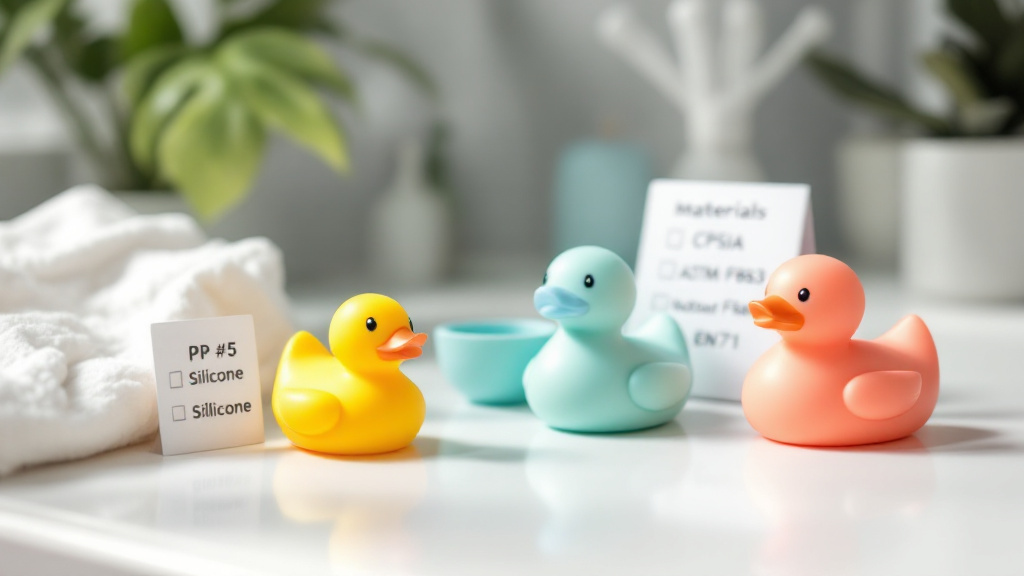
Bath toys live in warm water, get mouthed, and take a beating—so toy-safety starts with knowing what the toy is made of. For classic ducks and other small collectibles, prioritize clear, seller-disclosed materials such as silicone, natural rubber (latex note below), or higher-quality plastics like PP (#5) or HDPE (#2). Be cautious with soft vinyl/PVC when a seller can’t specify additives, and don’t rely on vague “non-toxic-materials” claims without documentation.
Safety labels help, but they’re not magic. In the U.S., look for CPSIA compliance and testing to ASTM F963 (toy safety standard). In the EU/UK, EN71 is common. “BPA-free” only addresses one chemical; it doesn’t guarantee the absence of phthalates, lead, or other substances. Also note that “FDA-grade” is about food-contact materials, not automatically a children’s toy standard.
If your child has a latex allergy, avoid natural rubber unless it’s clearly labeled and suitable. For parenting peace of mind when shopping bath-toys as kids-gifts, choose sellers that list materials, age grading, and test results (or at least the tested standard).
Inspect paint and construction: where hidden risks show up
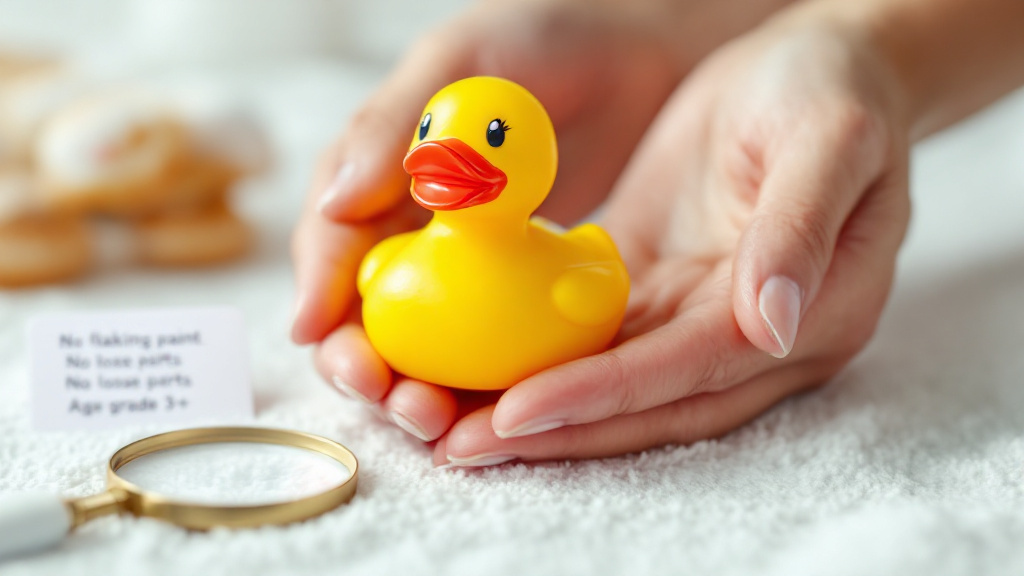
After materials, scrutinize surface finishes. For painted ducks or themed collectibles, prefer molded color (color throughout the material) or well-sealed, non-flaking finishes. Cheap paint can chip, creating a potential ingestion hazard and exposing underlying materials. Ask whether inks/paints meet relevant limits for heavy metals (lead, cadmium) under CPSIA or EN71—this is a core toy-safety signal, especially for small items that kids may chew.
Construction matters just as much. Avoid sharp seams, loose attachments (eyes, hats, tiny glued parts), and anything that can detach under twisting. Check for sturdy squeeze resistance without cracking, and confirm the age grade (e.g., 3+). If buying party favors, confirm that the size is appropriate for the youngest attendee to reduce choking risks.
For gift-buyers building bundles—like themed assortments on Duckery Market—look for listings with clear sizing, materials, and finish details. In parenting terms: if a seller can’t explain how the toy is made and tested, it’s not a great candidate for kids-gifts that will end up in the bath.
Avoid mold-prone designs and know what to ask before you buy
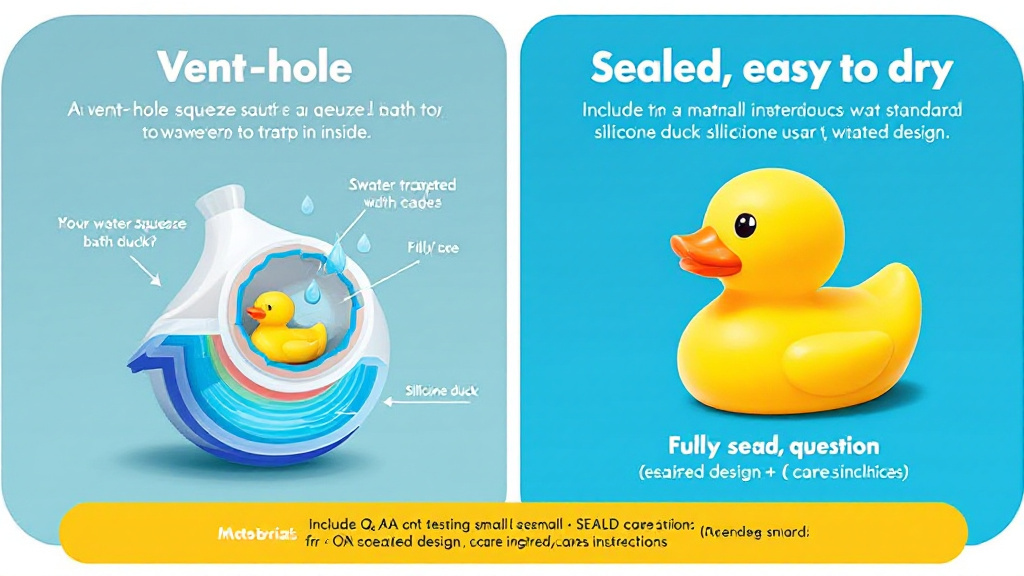
Mold is one of the most common bath-toys complaints—and it’s largely a design issue. Squeeze toys with a bottom hole can pull bathwater inside, where it stagnates and grows mold. If you want squeaky or squeezable ducks, choose versions that are fully sealed, designed to open for drying, or made from mold-resistant one-piece silicone. If a toy has a hole, you’ll need a cleaning routine (rinse, shake out, air-dry fully, and periodically sanitize per the manufacturer).
When buying kids-gifts or bulk party favors, ask sellers a few direct questions: What is the exact material (not just “rubber”)? Is it free from phthalates, BPA, and lead per testing? Which standard was used (ASTM F963/EN71), and can they share a compliance statement? Is the toy sealed or vented, and what are the care instructions to prevent mold?
For event planners and parents ordering bundles, consistency matters—uniform sizing, documented materials, and predictable ship-by dates reduce stress. Treat “non-toxic-materials” as a claim to verify, and you’ll make safer, cleaner choices that hold up long after the party ends.